
"Mexican flavors"
1000 article(s) found

Taste of Mexican Coffee the characteristics of Mexican coffee beans are introduced in the manor area.
For Mexican coffee, of course, we can not ignore the existence of high-quality coffee, many coffee farms are constantly improving their own planting, harvesting, and processing technology. I drank this Mexican, ground dry aroma with refreshing herbal and nutty aromas. It has a medium mellow thickness, low acidity, sweet and sour red berries, smooth, clean and mild taste and a long finish.

Introduction to the characteristics, flavor and taste of Mexican coffee manor Aldura
Indeed, after drinking Mexican coffee, it really has the effect of forgetting worries and getting rid of troubles. Mexican coffee has a strong low taste, rich aroma, although slightly bitter but very mellow, has a unique and strong flavor, is a wonderful product of afternoon tea, should be carefully tasted. It is also the best choice for mixing other coffees and the first sip of coffee that beginners should taste. Taste Mexican coffee, it's best to drink it while it's hot.

Mexican Coffee Flavor Taste Manor Features Mexican Coffee Origin Aldumaraka
Mexico's most famous tequila goes with coffee by pouring a small glass of tequila into the bottom of the glass, then pouring milk and coffee, preferably garnished with cream and cinnamon. Tequila is a powerful drink, and if you're brave enough, try this alternative coffee. The selection of Mexican coffee is generally done manually. The main basis for selection is based on coffee.
The flavor of Mexican coffee is described with low taste and strong aroma.
Flavor and taste characteristics: soft aroma, mellow and comfortable, with wine aroma. Mexico has a long history of producing coffee and is currently one of the most important coffee producing countries in the world. The coffee produced in Mexico is naturally called Mexican coffee. About 5 ℃ of Mexico's national area are plateaus and mountains, with an annual average temperature of 2527 ppm. The Mexican plateau has a mild climate all the year round.
Description of aromatic Mexican Coffee Flavor introduction to quality and taste of grinding scale treatment
Mexicans are enthusiastic and optimistic, and the chocolates in Mexican coffee perfectly reflect this. There are different methods of Mexican coffee, but the main difference is whether it contains alcohol or not. let's first introduce the practice of non-alcohol. Heat a cup of milk, a teaspoon of cinnamon powder and a teaspoon of vanilla powder in a pot. Keep it at medium temperature. The heat is not too high. The milk must not boil. And then join.
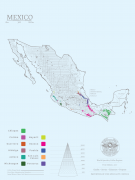
Introduction to Mexican Coffee what are the main producing areas of Mexican coffee? How's the Mexican coffee?
The history of coffee in Mexico, like most of Central America, was first grown in Mexico in the early colonial era (most likely in the late 18th century). As people paid more attention to the region's rich mineral resources and mining, coffee really developed into an industry, and when small farmers opened it after the Mexican Revolution in 1920.

Taste smooth, clean and mild Mexican coffee flavor taste manor features boutique coffee introduction
Mexicans eat wishing grapes to welcome the New year people all over the world bid farewell to the old and welcome the new with their own unique customs. In Mexico, people celebrate the New year by eating wishing grapes. Grapes are a must for every Mexican family at the end of the year. Every time the bell rang to bid farewell to the New year and welcome the New year, people ate a wish grape, a total of 12 grapes, each one to make a wish for peace, happiness and health.
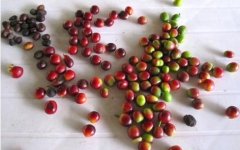
Mexican coffee bean flavor describes one of the best coffee in the world, Mexican Cottpe coffee.
For the exchange of professional baristas, please follow the Coffee Workshop (Wechat official account cafe_style), one of the major coffee producing countries in Central America. The coffee is comfortable and fragrant. The Mexican coffees selected are Coatepec, Huatusco and Orizaba, among which Cottpe is considered to be one of the best in the world. Coffee cultivation in Mexico

Introduction to comfortable, charming fragrant Mexican coffee beans
Mexicans are enthusiastic and optimistic, and the chocolates in Mexican coffee perfectly reflect this. There are different methods of Mexican coffee, but the main difference is whether it contains alcohol or not. let's first introduce the practice of non-alcohol. Heat a cup of milk, a teaspoon of cinnamon powder and a teaspoon of vanilla powder in a pot. Keep it at medium temperature. The heat is not too high. The milk must not boil. And then join.
A brief introduction to Mexican Fine Coffee beans the flavor of Mexican coffee in North America introduces the wonderful Mersey
Coffee from the world's fourth largest coffee producer, slippery and fragrant, Mexico, the fourth largest coffee producer in the world, produces about 5 million bags of coffee a year. Most of its coffee is produced by nearly 100000 small farmers, and large estates that once manipulated the coffee industry are rare. The yield of Mexican coffee is about 630 kg per hectare. Later, the Mexican Coffee Association (Instituto Mexicano)

A brief introduction to the flavor, taste and aroma characteristics of Mexican boutique coffee beans with special taste
Mexicans are optimistic and enthusiastic, and it can also be seen from their coffee that the mellow Mexican coffee is not only loved by the native people, but also praised by many coffee connoisseurs. There are many ways to taste Mexican coffee, mainly divided into alcoholic and non-alcoholic practices. Coffee growing areas in Mexico are mainly concentrated in the southeastern highlands.
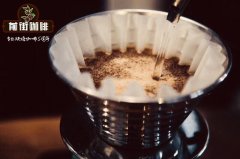
Is Mexican coffee sour or bitter? how to brew Mexican coffee will taste better.
For more information on coffee beans, please follow the coffee workshop (Wechat official account cafe_style) Coffee cultivation history in Mexico. Spanish settlers were the first people to bring coffee to Mexico in the 18th century, first growing coffee in the fertile highlands of the south. Over the years, production has been dominated by a small number of land tycoons. After the land reform after the revolution of 1920,

Flavors Special Mexican coffee Flavors Taste Manor Features Fine coffee beans Introduction Aldu
Alcohol-free Mexican coffee is often served with milk. Heat a cup of milk, a teaspoon of cinnamon powder and a teaspoon of vanilla powder in a saucepan over medium heat. Then add cocoa powder, dissolve well and stir well. If you like chocolate, you can use chocolate paste instead of cocoa powder mixed with milk. Allow the milk to dry for about 5 minutes until the cows

What are the famous producing areas of Mexican coffee? what are the varieties of Mexican coffee?
For more information on coffee beans, please follow the coffee workshop (Wechat official account cafe_style) Coffee cultivation history in Mexico. Spanish settlers were the first people to bring coffee to Mexico in the 18th century, first growing coffee in the fertile highlands of the south. Over the years, production has been dominated by a small number of land tycoons. After the land reform after the revolution of 1920,

Mexican Coffee Bean Flavor description planting History introduction of producing area Distribution Flavor
Professional baristas exchange please pay attention to the coffee workshop (Wechat official account cafe_style) mellow Mexican coffee flavor taste characteristics: soft aroma, mellow and comfortable, with wine aroma. Mexico has a long history of producing coffee and is currently one of the most important coffee producing countries in the world. The coffee produced in Mexico is naturally called Mexican coffee. The whole of Mexico

Smooth, clean and mild Mexican coffee plantation flavor characteristics
Coffee growing areas in Mexico are concentrated in the southeastern highlands, near Guatemala. The mountains in the south are mostly volcanic areas, and the volcanic ash soil is not only conducive to the drainage of coffee roots, but also provides sufficient nutrients for the growth of coffee trees. Most of the coffee varieties planted are Kadura, Dibika, Bourbon, etc., and the treatment method is mostly washed by water, graded according to altitude. coffee beans
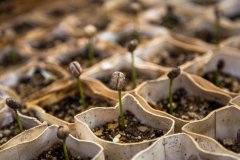
Characteristics of Mexican Coffee beans Flavor characteristics of Mexican Yizoran coffee beans
Although Mexican coffee beans are grown at low latitudes, only less than 40% of coffee beans are grown at high elevations, most of them on flat land, so even though most of the coffee beans are Arabica, commercial beans still account for the majority of production. Note: the distinction of fine coffee lies in the cup score rather than the variety, but most fine coffee is Arabica variety.

Taste smooth Mexican Coffee Flavor Manor introduce Aldura Coffee
Mexicans are enthusiastic and optimistic, and the chocolates in Mexican coffee perfectly reflect this. There are different methods of Mexican coffee, but the main difference is whether it contains alcohol or not. let's first introduce the practice of non-alcohol. Heat a cup of milk, a teaspoon of cinnamon powder and a teaspoon of vanilla powder in a pot. Keep it at medium temperature. The heat is not too high. The milk must not boil. And then join.
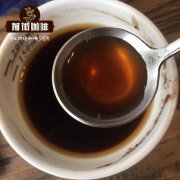
What is the best coffee in Mexico? How do you drink Mexican coffee? Mexican coffee brand
For more information on coffee beans, please follow the coffee workshop (Wechat official account cafe_style) Coffee cultivation history in Mexico. Spanish settlers were the first people to bring coffee to Mexico in the 18th century, first growing coffee in the fertile highlands of the south. Over the years, production has been dominated by a small number of land tycoons. After the land reform after the revolution of 1920,
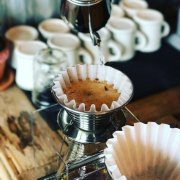
Varieties and flavor of Mexican coffee beans grow Mexican boutique coffee beans
Professional baristas please pay attention to the coffee workshop (Wechat official account cafe_style) Mexico coffee from the world's fourth largest coffee producer, slippery and fragrant Mexico, the fourth largest coffee producer in the world, with an annual output of about 5 million bags. Most of its coffee is produced by nearly 100000 small farmers, and large estates that once manipulated the coffee industry are rare. Mexican coffee per